On June 15 2026, the STM China Chapter Monthly Meeting convened at Tsinghua University Press(TUP), Beijing, under the theme New Ecosystem of Academic Publishing: the World and China. Organized by STM China Chapter and supported by TUP, the event brought together leading voices from academic publishers and scholars to tackle pressing industry topics—from international publishing trends and AI-driven research integrity tools, to the strategic development of Chinese STM journal clusters. The gathering served as a dynamic platform for cross-border dialogue, as participants charted collaborative pathways toward the sustainable, high-quality evolution of scholarly communication.
The meeting was structured into two sessions, with the first moderated by Eric NA, Regional Director, Asia-Pacific at the Institution of Engineering and Technology (IET), and Chair of China Chapter.
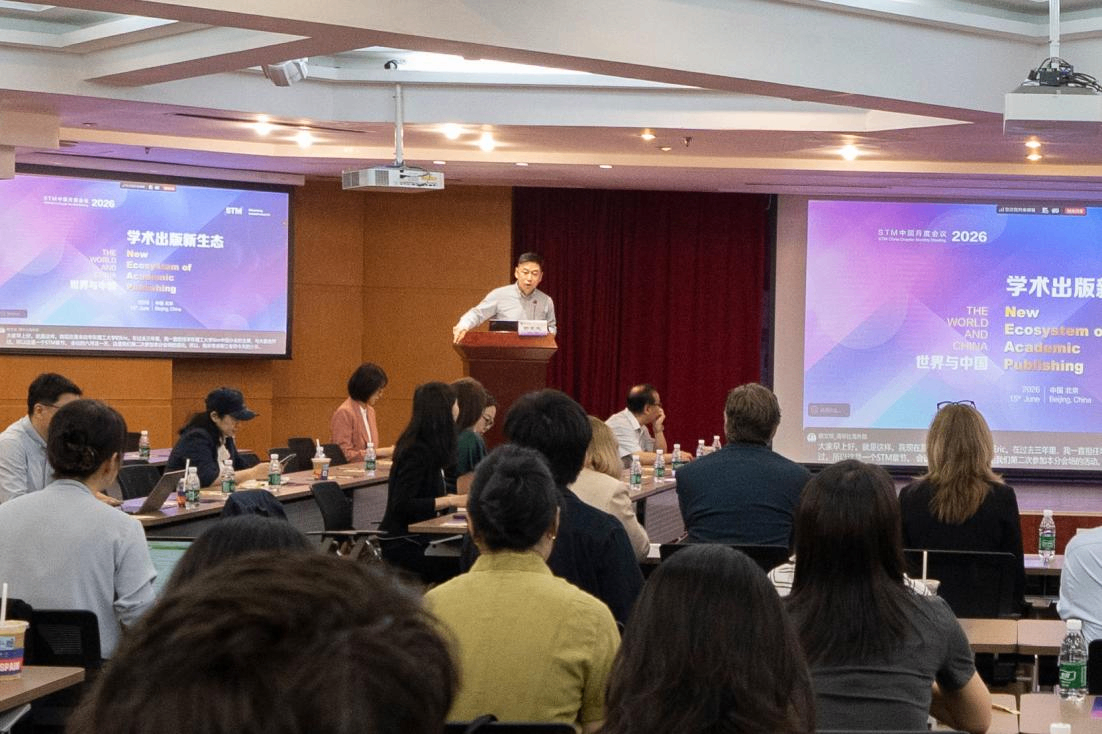
Eric NA hosts the first session of STM China Chapter Meeting.
Zhao Xin, President of TUP, delivered the opening remarks titled Openness and Co-governance: China's Answer to the New Ecosystem of Academic Publishing. He noted that while China accounts for nearly 40% of the world's research papers, domestically published high-level journals account for less than 4%--a gap he described as both a starting point for future growth and a mission for the publishing community. He also underscored TUP's commitment to open access as a driver of transformation, a strategy that reflects China's broader role in the global landscape: contributing to collaborative governance through open practices, while advancing solutions that are independent yet inclusive.
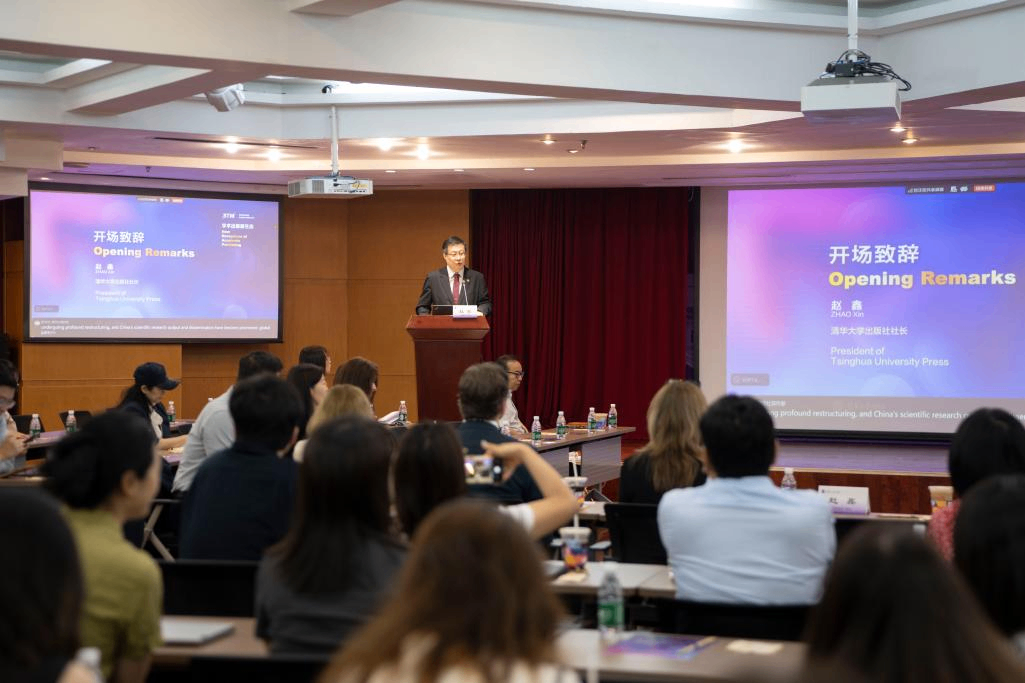
ZHAO Xin delivers the opening remarks.
Dr. Caroline Sutton, CEO of STM, presented Academic Publishing: Current State and Key Trends. She observed that publication output combines high concentration with a long tail—the top tier is consolidating, with fewer publishers claiming a growing share. She also outlined industry pressures, from funder policies and compliance costs to AI challenges and declining trust, while stressing that research integrity, AI, and the value of validated content are closely linked priorities. These, she said, underpin STM's strategic goal of advancing trusted research. Caroline also voiced hope that Chinese publishers would take a more active role in global governance and join this shared mission.
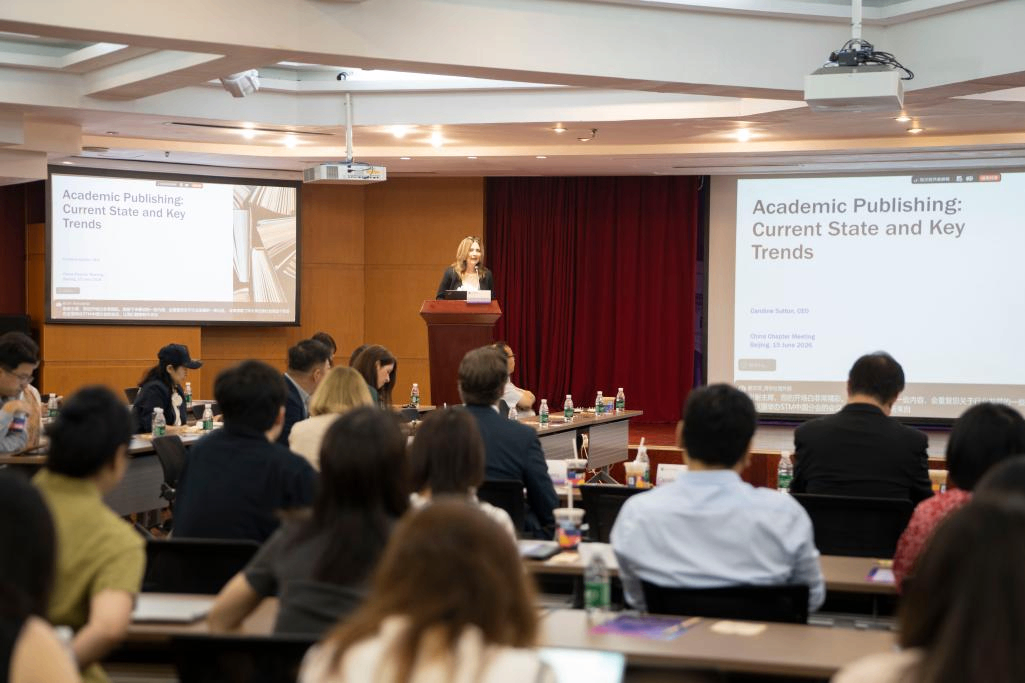
Dr. Caroline Sutton speaks on the current state and key trends in academic publishing.
Dr. Joris van Rossum, Program & Product Director, STM Solutions, gave a comprehensive overview of the STM Integrity Hub's role and how it operates. He stated that the Hub is dedicated to equipping the scholarly communication community with data, intelligence, and technology to safeguard research integrity. He then elaborated on its five guiding principles: prevention over remediation; collaboration with all stakeholders; making critical knowledge and tools accessible to all publishers; technology-driven, with humans always in the loop; and full adherence to confidentiality and privacy standards. He also gave a detailed explanation of the Hub's two applications—an on-demand screening tool and an ambient screening function that integrates with seven mainstream editorial systems. Together, these applications incorporate over 20 integrated tools, including both third-party and self-developed solutions, to check submissions, references, metadata, and full text for questionable practices.
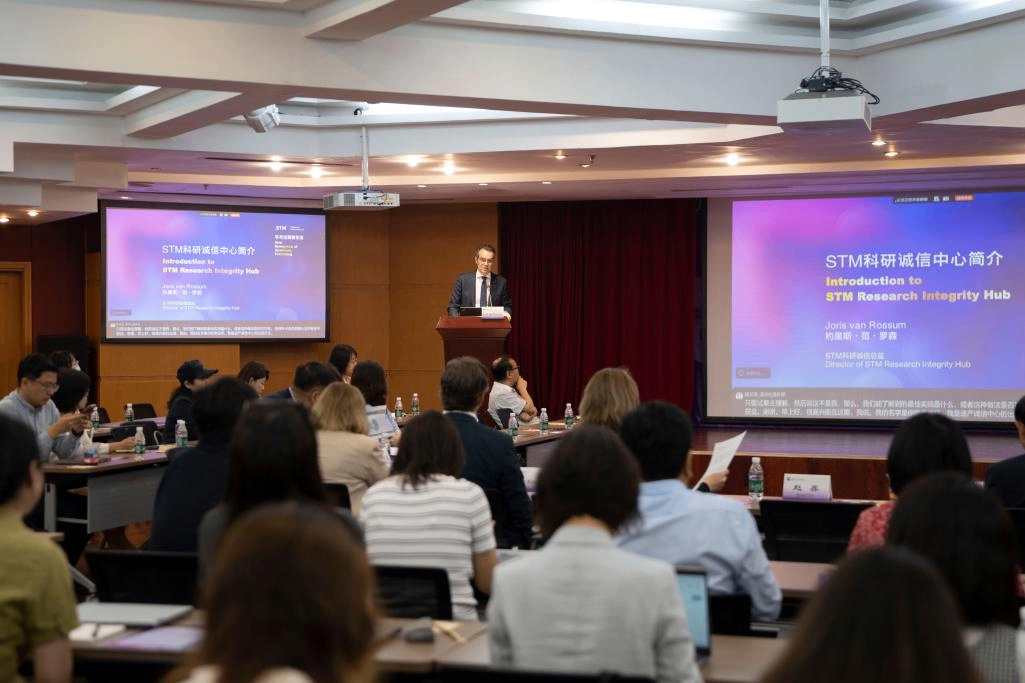
Dr. Joris van Rossum introduces the STM Integrity Hub.
Prof. E Haihong, Deputy Director of the Office of Digital Intelligence at Beijing University of Posts and Telecommunications (BUPT), presented AI Governing AI: Intelligent Technologies and Practices for Research Integrity. She examined image fabrication in academic publishing and showed how AI tools can spot AI-generated fake images. She also outlined key characteristics of such images—including hyper-realism—and introduced methods for detecting hidden AI traces, image splicing, reuse, and figure-text mismatches. She closed by presenting Insighta, an AI-driven research compliance review platform developed by BUPT, as a practical example of how intelligent technologies can bolster research integrity.
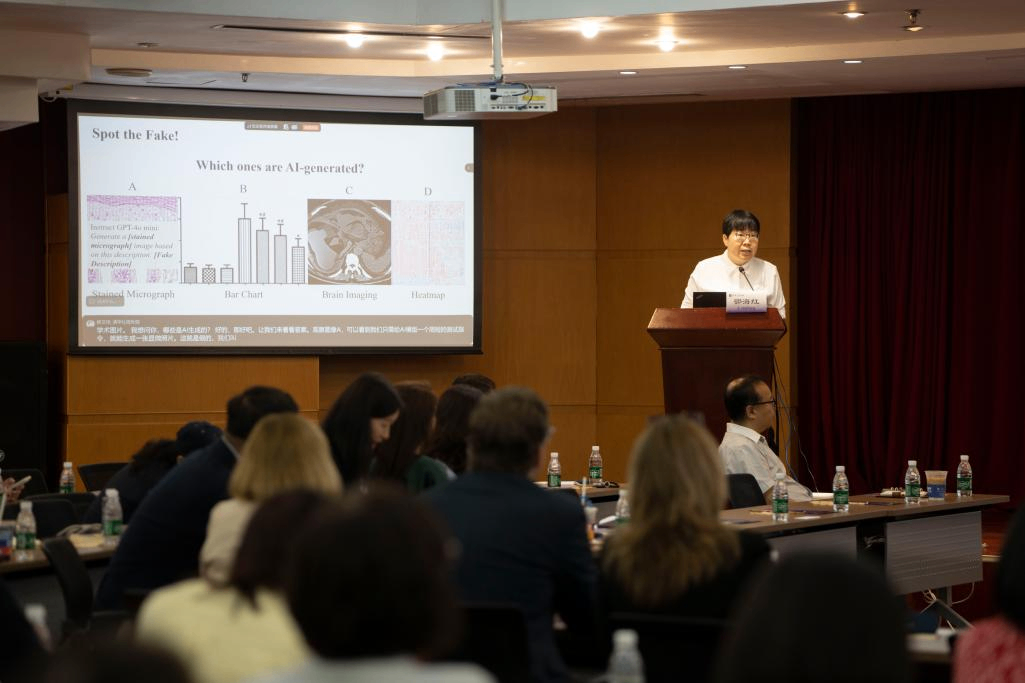
Prof. E Haihong speaks on AI Governing AI: Intelligent Technologies and Practices for Research Integrity.
Following the keynote speeches, four panelists—Joris van Rossum, E Haihong, Miriam Maus (Chief Publishing Officer at IOP Publishing), and Hylke Koers (Chief Information Officer at STM Solutions)—participated in the first panel discussion, during which they engaged in a dialogue on pressing topics including opportunities and challenges in the AI era, self-publishing, international collaboration, paper mills, research identity, and generative AI.
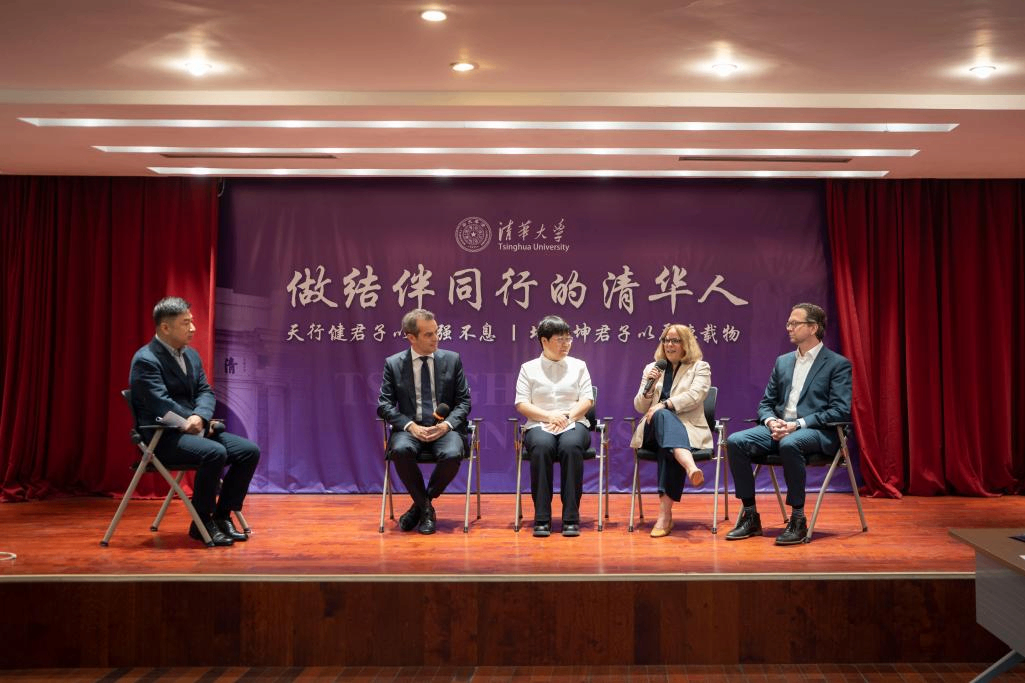
The session continues with the first panel discussion.
The second session, moderated by Yan Shuai, STM China Consultant, centered on the development of Chinese scientific journal clusters and the consolidation of publishing resources.
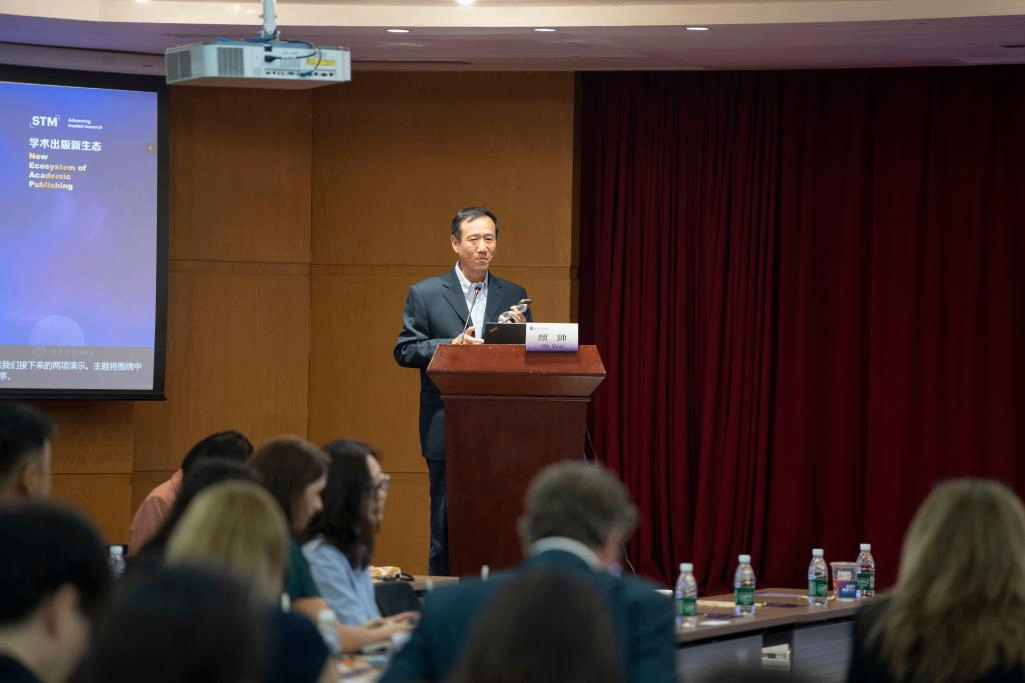
YAN Shuai moderates the second session of STM China Chapter Monthly Meeting.
ZHANG Tieming, President of the Society of China University Journals(CUJS), shared insights on cluster development under the Excellence Action Plan for China's STM Journals. He compared perceptions of publishing platforms and journal clusters in China and abroad, outlined the main types of domestic clusters, and reviewed the current state of international dissemination of Chinese journals—while noting persistent challenges with pilot units and cluster websites. He concluded with three key trends: a Chinese model that blends international practices with local characteristics, with clusters combining quality content, services, and marketing; a shift from policy-driven to market-driven growth; and emerging opportunities from open science and AI.
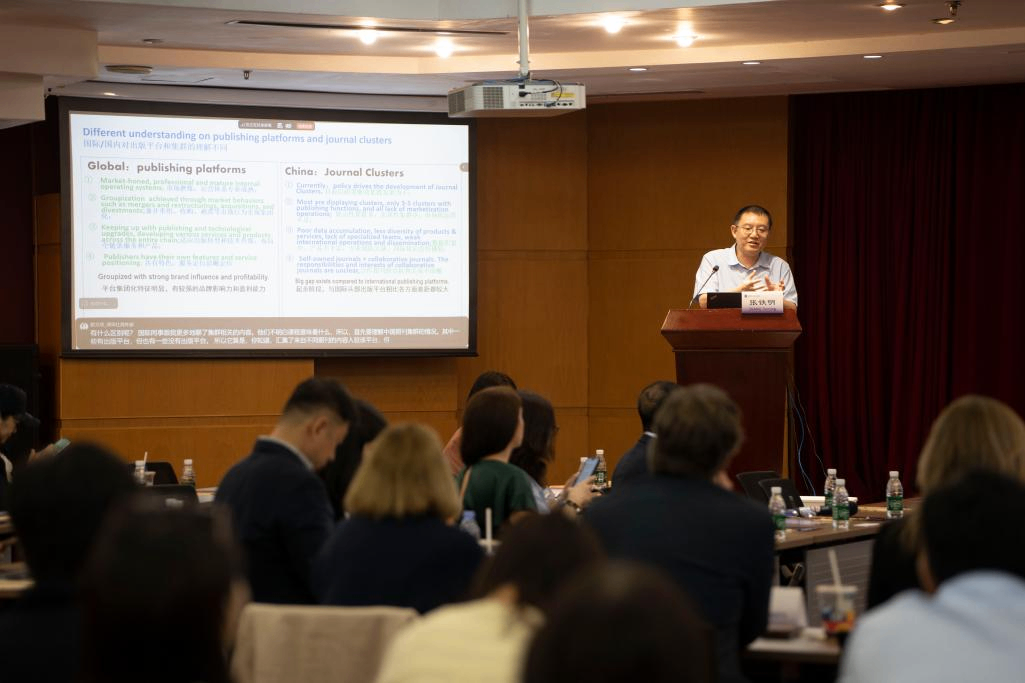
ZHANG Tieming presents on cluster development under the Excellence Action Plan for China's STM Journals.
Dr. Sun Yu, Associate General Editor of TUP, shared insights on Journal Cluster Development: Facilitating the Integration of Publishing Resources. She covered several key areas, including journal development efficiency, the university's strategic layout, Tsinghua's achievements in scientific journal development, a distinctive cluster-based development path, and the SciOpen international digital publishing platform. She described SciOpen as a platform that drives publishing efficiency through end-to-end digital workflows, professional services, global collaboration, and seamless system integration. She also noted that Phase II of the "Tsinghua University World-Class Scientific Journal Cluster Development Plan" will launch new journals in step with the evolving research landscape, further extending the global reach of Chinese scholarship.
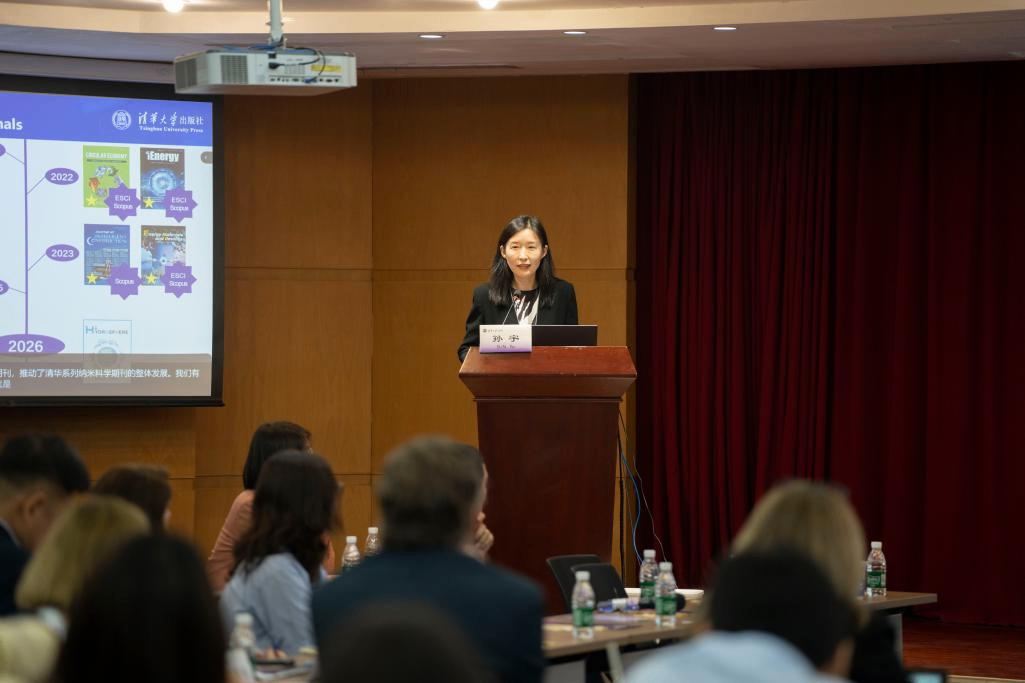
Dr. SUN Yu presents Journal Cluster Development: Facilitating the Integration of Publishing Resources.
The meeting concluded with a panel discussion featuring ZHANG Tieming, Dr. SUN Yu, and Dr. CHAI Zhao, General Manager of Science China Press. The three panelists engaged in discussion on topics including deepening international cooperation to foster a more comprehensive and objective understanding of Chinese academic publishing among the global research community, and the differing perceptions of open access concepts and the contrasting perspectives on open access between China and the rest of the world.
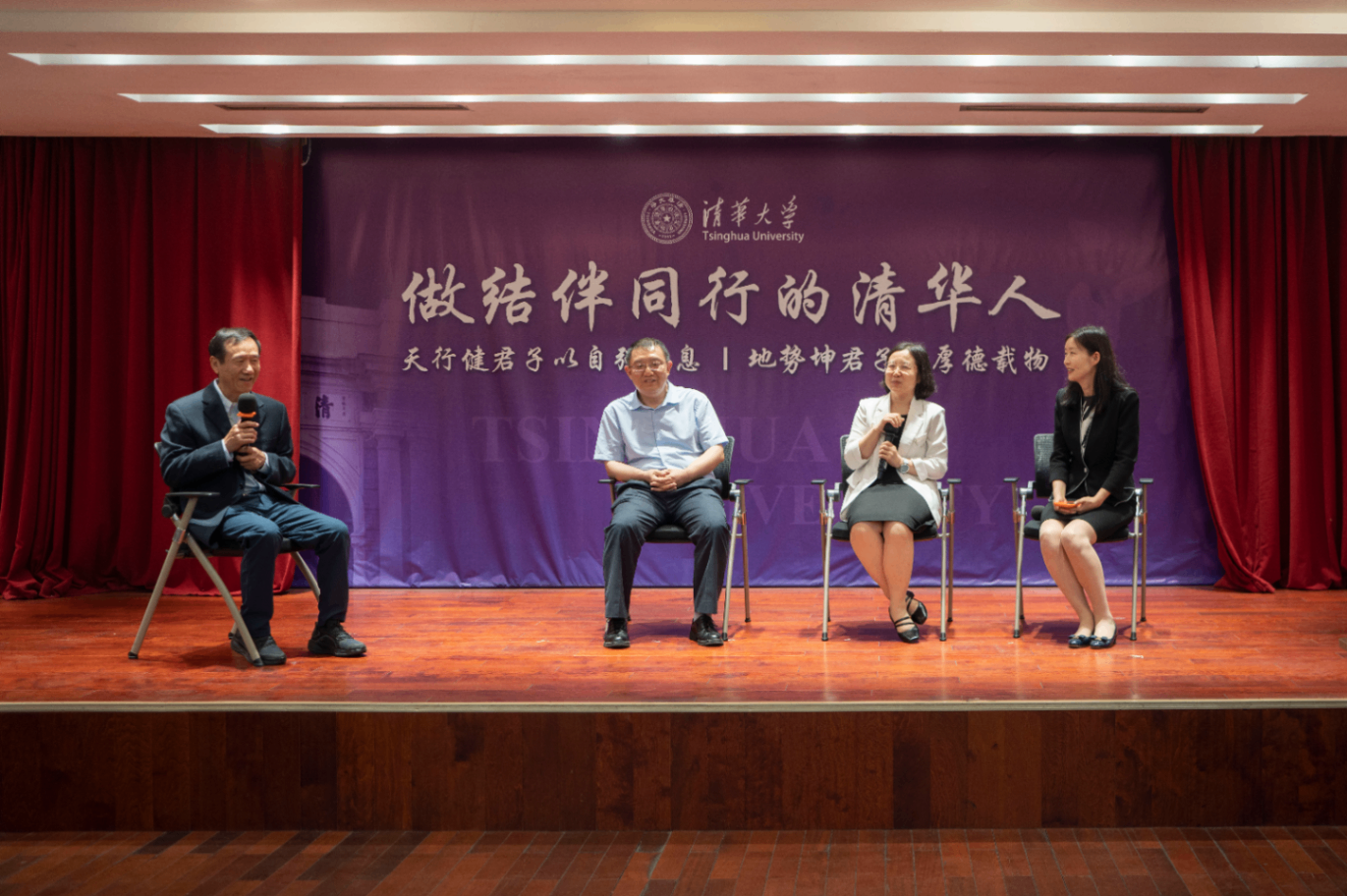
The session concludes with the second panel discussion.
Over 80 participants attended the meeting, representing publishing houses, research institutes, universities, and academic societies.